
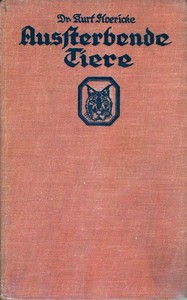
Aussterbende Tiere : Biber, Nerz, Luchs, Uhu by Kurt Floericke
Kurt Floericke's Aussterbende Tiere is a direct plea from the past. Published in the early 20th century, it captures a moment when Germany's wilderness was shrinking fast, and several key species were on the brink.
The Story
There isn't a traditional narrative with characters. Instead, the 'story' is the documented struggle for survival of four animals: the beaver, the European mink, the lynx, and the Eurasian eagle-owl. Floericke acts as our guide. For each creature, he describes how they live, what they eat, and where they used to thrive. Then, he lays out the reasons for their decline—relentless hunting for fur, loss of forests and wetlands, and plain old fear and superstition. The book is his evidence file, compiled to convince a public and authorities that these losses matter and that action is needed before it's too late.
Why You Should Read It
What struck me most was the voice. Floericke isn't a detached scientist. You can feel his personal connection to these animals. His writing mixes careful observation with clear emotion. When he describes the haunting call of the eagle-owl or the clever engineering of a beaver dam, his admiration shines through. His frustration is just as palpable when he lists hunting statistics or describes habitats turned into farmland. Reading this today, with our modern understanding of ecology, is poignant. We know the fate of some of these species, which adds a layer of historical tension. It's a reminder that the call to protect nature isn't new; people were fighting this fight generations ago.
Final Verdict
This book is perfect for nature lovers who enjoy historical perspective, and for anyone curious about the early days of the environmental movement. It's not a long or difficult read, but it's a thoughtful one. You'll come away with a deeper appreciation for these specific animals and a sobering sense of how long human activity has been shaping the natural world. Think of it less as a textbook and more as a heartfelt field report from a conservationist who was way ahead of his time.
This masterpiece is free from copyright limitations. You are welcome to share this with anyone.
Oliver King
1 year agoI stumbled upon this title and the depth of research presented here is truly commendable. One of the best books I've read this year.

Matthew Garcia
1 year agoSimply put, it creates a vivid world that you simply do not want to leave. I couldn't put it down.